


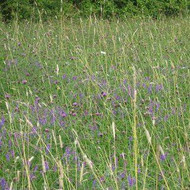
Planting Wildflower Plug Plants for Instant Impact
If you want quick results in your garden, estate, or landscaping project, wildflower plug plants are an excellent choice. Unlike seed sowing, plug plants provide instant greenery and early flowering, making them ideal for:
-
Borders and ornamental beds
-
Garden meadows
-
Landscaping projects on estates or country houses
-
Pollinator-friendly areas
This guide explains how to select, plant, and care for wildflower plug plants in the UK, with product recommendations from GardenersSupplies.co.uk to ensure maximum success.
Why Use Wildflower Plug Plants?
-
Instant impact: Immediate visual appeal compared to sowing seeds
-
Higher survival rates: Stronger plants establish quickly and compete less with weeds
-
Controlled planting: Ideal for designed spaces or restricted areas
-
Supports pollinators: Provides early nectar and pollen for bees and butterflies
-
Perfect for grant schemes: Field margin and biodiversity projects often accept plug planting
Step 1: Choosing the Right Wildflower Plug Plants
Consider these points when selecting plug plants:
-
Species selection: Choose UK-native species adapted to your soil and sun exposure
-
Pollinator-friendly varieties: Attract bees, butterflies, hoverflies, and birds
-
Perennial vs annual: Perennials establish long-term; annuals provide immediate colour
-
Plug size: Larger plugs establish faster but may be more expensive; small plugs are suitable for large areas
Product Tip: GardenersSupplies.co.uk offers wildflower plug plants in various species and sizes, perfect for gardens, estates, councils, and landscaping contractors.
Step 2: Site Preparation
Even with plug plants, proper site preparation is essential for healthy establishment:
-
Clear weeds and debris: Remove existing grass, moss, or invasive species
-
Loosen the soil: Dig or fork to a depth of 10–15cm for roots to spread
-
Improve drainage if necessary: Add grit or compost for heavy soils
-
Mark planting positions: Ensure even spacing and planned patterns for aesthetic or ecological purposes
Step 3: Planting Wildflower Plugs
-
Planting depth: Ensure roots are fully covered, but do not bury the crown
-
Spacing: 15–30cm apart for a dense visual impact; adjust according to species
-
Watering: Water plugs immediately after planting, then regularly until established
-
Protection: For exposed areas, consider small mesh guards or mulch to reduce weed competition
Pro Tip: Mix plug plants with wildflower seeds for a combination of instant colour and long-term meadow development.
Step 4: Aftercare and Maintenance
-
Watering: Ensure consistent moisture during the first 2–3 weeks
-
Weeding: Remove invasive weeds carefully to avoid disturbing roots
-
Mulching: Light mulch may help retain moisture but avoid smothering seedlings
-
Monitoring: Check for pests such as slugs, which can damage young plugs
Product Tip: GardenersSupplies.co.uk provides watering cans, mulch mats, and slug protection products for successful plug plant establishment.
Step 5: Benefits for Wildlife and Aesthetics
-
Pollinator support: Nectar and pollen feed bees, butterflies, and hoverflies
-
Bird attraction: Seeds produced by certain species provide food in autumn
-
Colour throughout the season: Annuals provide early blooms; perennials offer long-term seasonal display
-
Soil health: Perennial root systems improve structure and reduce erosion
Supplies Checklist
-
Wildflower plug plants (variety depending on site and colour scheme)
-
Soil preparation tools: forks, hand tools, rakes
-
Watering equipment
-
Optional mulch mats or biodegradable guards
-
Fertiliser only if soil is extremely poor (low-nutrient soils are preferred)
All supplies available from GardenersSupplies.co.uk, suitable for gardens, estates, councils, and landscaping projects.
Frequently Asked Questions (FAQ)
Can I combine plug plants with seed sowing?
Yes — this gives instant colour from the plugs while seeds develop for long-term meadow coverage.
How far apart should I plant wildflower plugs?
Typically 15–30cm, depending on species and desired density.
Do I need to fertilise plug plants?
Generally no — wildflowers thrive in low-nutrient soils.
How soon will the plugs flower?
Some annuals flower within weeks; perennials may take 1–2 seasons to establish fully.
Conclusion
Wildflower plug plants offer instant colour, higher survival, and early wildlife support for UK gardens, estates, councils, and landscaping projects. By selecting the right species, preparing the soil properly, planting carefully, and maintaining appropriately, you can create vibrant, biodiverse areas that are both aesthetically pleasing and ecologically beneficial.
GardenersSupplies.co.uk stocks wildflower plug plants, tools, and accessories to make planting quick, easy, and successful.