


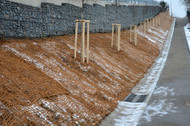
Maintaining Slopes and Banks with Coir Erosion Mats in the UK
Why Maintenance Matters for Coir Erosion Mats
Coir erosion mats are biodegradable and environmentally friendly, but their long-term effectiveness depends on proper installation and maintenance. Regular inspection and care ensure:
-
Soil remains stabilized on slopes and banks
-
Vegetation grows evenly through the coir mats
-
Mats remain securely anchored, preventing washout
-
Longevity of erosion prevention for 2–5 years
Maintaining coir mats is essential for gardens, estates, public spaces, and contractor projects in the UK.
Step 1: Inspect Your Coir Mats Regularly
-
Check anchors: Ensure pins or stakes are firmly holding mats in place
-
Look for gaps: Mats that have shifted or overlapped incorrectly can allow erosion
-
Assess vegetation: Ensure grass, wildflowers, or shrubs are growing evenly
-
Monitor slope conditions: Look for signs of soil movement after heavy rain or frost
Step 2: Water and Feed Plants
-
Water newly planted areas: Coir mats retain moisture, but extra watering helps roots establish
-
Fertiliser application: Use slow-release fertiliser to support healthy growth
-
Monitor rainfall patterns: Adjust watering if unusually dry conditions persist
Tip: Watering during early spring and summer helps plants establish quickly through the coir mats.
Step 3: Repairing and Replacing Mats
-
Re-secure loose mats: Use extra pins or stakes to prevent movement
-
Overlap new mats: Replace any damaged sections with coir mats that overlap existing mats
-
Replant vegetation: Fill gaps or bare areas with grass seed or wildflower plugs
-
Trim overgrown areas: Keep vegetation tidy and manageable, preventing stress on mats
Step 4: Long-Term Maintenance
-
Seasonal inspection: Check mats after winter, storms, or flooding events
-
Prevent invasive weeds: Remove unwanted plants that could disrupt the coir mat or compete with intended vegetation
-
Natural decomposition: Coir mats degrade over time, so maintain a continuous vegetation cover to protect soil
Pro Tip: Keeping a vegetation layer dense and healthy ensures that even as the coir biodegrades, soil remains stabilised.
Benefits for Different Users
Gardeners: Maintain private slopes and garden banks with minimal effort
Landscapers & Contractors: Provide clients with professional erosion control solutions
Councils & Estates: Protect embankments, parks, and open spaces efficiently
Environmental Projects: Use biodegradable mats to encourage wildlife and sustainable soil management
Supplies Checklist
-
Coir erosion mats (various thicknesses)
-
Stakes or pins for securing mats
-
Grass or wildflower seeds for infill
-
Slow-release fertiliser for vegetation establishment
-
Hand tools for inspection and maintenance
All available from GardenersSupplies.co.uk, perfect for UK gardeners, landscapers, contractors, and estate managers.
Frequently Asked Questions (FAQ)
How often should I inspect coir mats?
Inspect after storms, heavy rain, or seasonal changes, and perform routine checks every few months.
Can I plant through coir mats after initial installation?
Yes, additional grass or wildflowers can be planted into gaps or bare areas.
Do coir mats require frequent watering?
Water only during dry spells until vegetation is fully established. Mats retain moisture naturally.
How long do coir mats last before decomposing?
Typically 2–5 years, depending on thickness and environmental conditions.
Conclusion
Coir erosion mats are a sustainable, effective solution for protecting slopes, banks, and embankments in the UK. Proper installation and ongoing maintenance ensure long-term soil stabilization, successful vegetation growth, and minimal erosion risk.
GardenersSupplies.co.uk supplies high-quality coir mats, anchors, and planting accessories, making slope maintenance simple, professional, and environmentally friendly.