


Choosing the Right Tree Species for UK Farms, Estates, and Landscapes
Selecting the right tree species is a critical step in UK planting projects. The correct choice affects survival rates, growth speed, ecological impact, and grant eligibility.
This guide provides step-by-step advice on selecting trees, factors to consider, and recommended species for farms, estates, and woodland creation projects. It also highlights products from GardenersSupplies.co.uk to support planting and aftercare.
Why Tree Species Selection Matters
-
Adaptation to climate: Native species are more resilient to local weather and soil
-
Survival and growth: Species with appropriate growth rates and root systems establish faster
-
Biodiversity benefits: Choosing native trees supports wildlife, pollinators, and soil health
-
Grant compliance: Many UK woodland creation schemes require native or approved species
Correct selection ensures healthy woodlands and hedgerows for years to come.
Step 1: Assess Your Site Conditions
-
Soil type: Clay, sandy, or loamy soil affects which species thrive
-
Drainage: Some species require well-drained soil, others tolerate wetter areas
-
Exposure: Wind, frost, and sunlight influence tree choice
-
Purpose: Timber, wildlife, screening, or aesthetic value
Understanding your site ensures you choose species suited to local conditions.
Step 2: Decide Between Native and Non-Native Trees
Native Species
-
Oak (Quercus robur / petraea)
-
Beech (Fagus sylvatica)
-
Birch (Betula pendula / pubescens)
-
Hazel (Corylus avellana)
-
Rowan (Sorbus aucuparia)
Benefits: High survival, supports UK biodiversity, eligible for most grants
Non-Native / Ornamental
-
Maple (Acer spp.)
-
Hornbeam (Carpinus betulus)
-
Cherry (Prunus spp.)
Benefits: Decorative, fast-growing; some species suitable for estates and parks
Step 3: Consider Growth Form and Size
-
Hedgerow species: Hazel, Hawthorn, Hornbeam – dense growth for boundary planting
-
Woodland canopy species: Oak, Beech, Ash – tall, long-lived, high ecological value
-
Screening or shelterbelts: Scots Pine, Alder, Leyland Cypress – fast-growing windbreaks
Matching species to purpose ensures long-term performance and landscape function.
Step 4: Check Grant Scheme Requirements
-
Many UK woodland creation grants specify approved species lists
-
Native trees are often mandatory for environmental or biodiversity objectives
-
Keep documentation for planting reports and compliance
Tip: GardenersSupplies.co.uk provides bare root and container trees approved for UK grant schemes.
Step 5: Sourcing Quality Trees
-
Bare root trees: Best for winter planting; check root health
-
Container-grown trees: Suitable for planting outside dormant season
-
Size selection: Choose stock appropriate to your site, access, and purpose
High-quality stock reduces replanting costs and improves first-year survival.
Step 6: Consider Maintenance and Aftercare
-
Growth rate affects pruning and mulching frequency
-
Some species are more resistant to pests and browsing
-
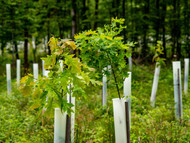
Combine with tree guards, stakes, and mulch mats for first-year survival
Proper aftercare ensures trees establish strong roots and thrive long-term.
Common Mistakes to Avoid
-
Planting species unsuitable for local soil or climate
-
Ignoring grant scheme requirements
-
Choosing purely ornamental species in commercial or grant-funded schemes
-
Selecting poorly sourced or unhealthy trees
-
Neglecting aftercare planning
Correct species selection reduces failure rates and future maintenance.
Supplies Checklist for Tree Species Selection & Planting
-
Bare root or container trees (native or approved species)
-
Tree guards, stakes, and ties
-
Mulch mats and weed control fabrics
-
Soil conditioners if needed for specific species
-
Hand tools for planting
Using quality supplies from GardenersSupplies.co.uk ensures tree selection and planting success.
Frequently Asked Questions (FAQ)
What is the best native tree for UK farms?
Oak and Beech are highly resilient, support biodiversity, and comply with grant schemes.
Can I mix native and ornamental species?
Yes, for ornamental or estate planting, but check grant rules if using funding.
Should I consider soil type when choosing trees?
Absolutely. Soil type, drainage, and pH affect tree survival and growth.
Conclusion
Choosing the right tree species is fundamental for UK tree planting projects. By assessing site conditions, selecting native or suitable ornamental species, sourcing quality stock, and planning aftercare, landowners, farmers, and contractors can achieve high survival rates, grant compliance, and long-term landscape success.
Combined with tree guards, stakes, ties, and mulch mats, careful species selection lays the foundation for thriving woodlands, hedgerows, and estate plantings.