


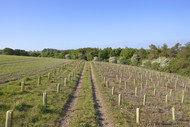
Tree Planting for UK Grant Schemes: What You Need to Know
Environmental grant schemes in the UK, such as Woodland Carbon Code, Countryside Stewardship, and Environmental Land Management, provide funding to support tree planting and woodland creation.
However, compliance is essential to secure funding and ensure long-term tree survival. This guide provides step-by-step advice and product recommendations from GardenersSupplies.co.uk for planting trees under grant schemes.
Why Grant Compliance Matters
-
Funding eligibility: Only trees planted to scheme standards qualify
-
Survival rates: Grants require evidence of proper establishment
-
Environmental goals: Ensure trees contribute to biodiversity, carbon capture, and soil protection
-
Professional standards: Grants encourage best practices for planting, protection, and aftercare
Proper compliance ensures funding is secured and trees thrive for decades.
Step 1: Understanding the Grant Requirements
-
Identify the specific grant scheme you are applying for
-
Note eligible species, planting density, and site preparation requirements
-
Understand recording, mapping, and reporting obligations
-
Plan your planting schedule around grant-approved seasons (often winter months for bare root trees)
Preparation ensures successful grant application and project execution.
Step 2: Site Preparation
-
Clear vegetation, weeds, and debris
-
Loosen compacted soils and add organic matter if necessary
-
Create appropriate planting lines, mounds, or ridges
-
Use mulch mats or weed control fabrics to improve survival
Tip: GardenersSupplies.co.uk provides mulch mats, soil improvers, and planting tools suitable for grant-compliant projects.
Step 3: Selecting Eligible Trees
-
Choose species approved by the grant scheme
-
Consider native trees for woodland creation (Oak, Beech, Ash, Hazel)
-
Select healthy, high-quality bare root stock
-
Ensure trees are appropriately sized and disease-free
Correct species selection ensures grant compliance and tree survival.
Step 4: Planting Technique
-
Dig holes wide enough to allow natural root spread
-
Plant trees at the correct depth — root collar level with soil
-
Backfill with loosened soil and gently firm
-
Water in if soil is dry
Proper technique supports first-year survival and grant reporting requirements.
Step 5: Protecting Young Trees
-
Use spiral guards, mesh guards, or solid shelters to prevent browsing
-
Stake tall or exposed trees to prevent wind damage
-
Mulch around the base to conserve moisture and suppress weeds
Protection maximises survival rates and reduces replanting costs, a key requirement for grants.
Step 6: Record-Keeping and Reporting
-
Maintain records of planting dates, species, and numbers
-
Take photographs of planted trees and protected sites
-
Track aftercare activities, including watering, stake checks, and guard inspections
-
Submit required reports to grant authorities
Accurate record-keeping ensures grant compliance and long-term monitoring.
Common Mistakes to Avoid
-
Planting non-approved species — disqualifies funding
-
Failing to follow spacing or density requirements
-
Neglecting tree protection and staking
-
Poor soil preparation leading to tree failure
-
Incomplete records or reporting
Avoiding these mistakes ensures funding eligibility and project success.
Supplies Checklist for Grant-Compliant Planting
-
Bare root trees approved by grant scheme
-
Tree guards, stakes, and ties for protection
-
Mulch mats or organic mulch
-
Soil improvers and conditioners
-
Hand tools for planting and aftercare
High-quality supplies from GardenersSupplies.co.uk support grant-compliant, successful tree planting across the UK.
Frequently Asked Questions (FAQ)
Can I mix species in a grant scheme woodland?
Yes, as long as species are approved and follow spacing/density requirements.
How long do I need to maintain trees for grants?
Typically 3–5 years to demonstrate survival, depending on the scheme.
Are there penalties for non-compliance?
Yes, non-compliance can result in partial or full withdrawal of funding. Accurate planting and maintenance records are essential.
Conclusion
Planting trees for UK grant schemes requires careful planning, site preparation, and adherence to scheme requirements. By selecting eligible species, planting correctly, protecting trees, and keeping accurate records, farmers, estates, and contractors can secure funding and ensure long-term tree survival.
GardenersSupplies.co.uk offers trees, guards, stakes, mulch, and soil improvers to support all grant-compliant planting projects in the UK.