


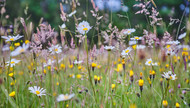
Creating 100% Wildflower Meadows: Step-by-Step Guide
Wildflower meadows are one of the most visually stunning and ecologically valuable additions to UK gardens, estates, and public spaces. They attract pollinators, support wildlife, and create colourful, seasonal displays that change throughout the year.
Whether you’re a gardener, landscaper, estate manager, council groundskeeper, or farmer applying for environmental grants, establishing a 100% wildflower meadow requires planning, correct seed selection, proper soil preparation, careful sowing, and ongoing maintenance.
This guide walks you through every step of creating a vibrant, low-maintenance wildflower meadow, with product recommendations from GardenersSupplies.co.uk to ensure success.
Why Choose a 100% Wildflower Meadow?
-
Maximise biodiversity: Attract bees, butterflies, hoverflies, birds, and small mammals
-
Reduce maintenance: Requires less mowing than traditional lawns once established
-
Support grant schemes: Field margins and ecological enhancements often qualify for UK environmental grants
-
Enhance landscape beauty: Creates a seasonal tapestry of colour and texture
-
Environmental benefits: Improves soil health, reduces chemical inputs, and supports pollinators
Step 1: Choose the Right Seed Mix
Selecting a UK-adapted 100% wildflower seed mix is crucial for success. Consider:
-
Annual wildflowers: Provide immediate colour in the first year, but often die back afterward
-
Perennial wildflowers: Establish slower but provide long-term colour and habitat
-
Pollinator-friendly mixes: Designed to attract bees, butterflies, and hoverflies
-
Site-specific mixes: Some are adapted for sunny areas, others for partial shade or poor soils
Product Tip: GardenersSupplies.co.uk stocks a variety of 100% wildflower seed mixes designed for UK conditions, suitable for gardens, estates, councils, and farmland.
Step 2: Assess and Prepare the Site
Wildflowers thrive on low-nutrient soil, so proper preparation is key:
-
Clear the area
-
Remove existing grass, weeds, and debris
-
For large areas, consider rotovating to loosen the top 5–10cm of soil
-
-
Soil preparation
-
Lightly rake to break up clumps
-
Avoid adding high-nitrogen fertiliser — wildflowers prefer less fertile soils
-
-
Improve drainage if necessary
-
Raised beds or small mounds help prevent waterlogging
-
Ensure slopes are gentle to avoid soil erosion
-
-
Mark out zones
-
Plan pathways or access points for maintenance
-
Use flags or stakes to guide sowing and future mowing
-
Tip: GardenersSupplies.co.uk offers rakes, hand forks, and soil prep tools designed for wildflower meadow projects.
Step 3: Sowing Your Wildflower Meadow
Timing: Best in spring (March–May) or autumn (September–October) for UK conditions
Seeding Rates:
-
100% wildflower mix: 2–5g/m²
-
Large meadow areas: Use a seed spreader for even distribution
Sowing Tips:
-
Broadcast evenly: Hand sow small areas, seed spreaders for large plots
-
Rake lightly: Ensure seeds make contact with soil without burying too deep
-
Watering: Only if dry — wildflowers establish best with natural rainfall
-
Two-direction sowing: Sow north-south and east-west for uniform coverage
Pro Tip: For instant visual impact in small areas, mix with wildflower plug plants, also available at GardenersSupplies.co.uk.
Step 4: First-Year Care
-
Watering: Light watering during dry spells, particularly in the first 2–3 weeks
-
Weeding: Remove aggressive weeds such as nettles or thistles manually
-
Mowing: Wait until flowers have seeded; cut once per year, ideally in late autumn
-
Patience: Some perennials may take 2–3 years to fully establish
Tip: Avoid fertilisers with high nitrogen — these encourage grasses that outcompete wildflowers.
Step 5: Long-Term Maintenance
Maintaining your 100% wildflower meadow ensures sustained biodiversity and beauty:
-
Annual mowing: Cut back to 5–10cm after flowering and remove cuttings
-
Spot reseeding: Overseed thin or bare patches in autumn or spring
-
Control aggressive species: Monitor and remove weeds as needed
-
Pathways and access: Keep areas clear for easy maintenance and enjoyment
Product Tip: GardenersSupplies.co.uk offers wildflower meadow maintenance tools including scythes, shears, and rakes for easy care.
Step 6: Benefits for Wildlife and the Environment
-
Pollinators: Nectar-rich wildflowers support bees, butterflies, and hoverflies
-
Birds: Seeds provide food for wild birds in autumn and winter
-
Soil health: Deep-rooted species improve soil structure and reduce erosion
-
Carbon sequestration: Meadows store more carbon than short-mown lawns
Grant Opportunities: Field margin and ecological schemes often fund wildflower meadow establishment, providing financial support for farmers and councils.
Supplies Checklist
-
100% wildflower seed mixes (UK-adapted)
-
Wildflower plug plants (optional for instant colour)
-
Rakes, hand forks, and rotovators for soil prep
-
Watering equipment
-
Mowing tools or scythes for maintenance
All available from GardenersSupplies.co.uk, suitable for gardens, estates, councils, and field margins.
Frequently Asked Questions (FAQ)
When is the best time to sow 100% wildflower seeds?
Spring (March–May) or autumn (September–October) provides the best germination conditions.
Do I need fertiliser?
No — wildflowers thrive in low-nutrient soil. High nitrogen fertiliser favours grasses over flowers.
How long until the meadow looks full?
Annuals bloom in the first year; perennials may take 2–3 years to fully establish.
Can I mow pathways through the meadow?
Yes — marking access points and mowing a narrow path helps with maintenance and visitor access.
Conclusion
Creating a 100% wildflower meadow in the UK is a rewarding way to enhance biodiversity, aesthetics, and environmental health. By selecting the right seed mix, preparing the soil carefully, sowing correctly, and maintaining the meadow, gardeners, landscapers, councils, farmers, and estate managers can enjoy colourful, low-maintenance, wildlife-friendly landscapes.
GardenersSupplies.co.uk provides all the wildflower seeds, plug plants, and tools needed to establish thriving meadows that support pollinators, attract wildlife, and deliver long-term ecological and visual benefits.