


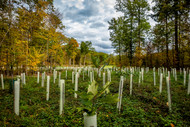
Your Complete Guide to Tree Planting in Winter
Winter may seem like an unlikely season for planting trees, but in reality, it’s one of the best times to give your garden a strong start. Planting trees in winter, when they are dormant, allows their roots to establish before the growing season begins. This guide will cover everything from choosing the right trees to preparing your soil and planting bare root trees successfully. By following these tips, you’ll ensure your trees thrive year after year.
Why Winter Is the Ideal Time for Tree Planting
Planting trees in winter has several advantages:
-
Dormant trees are less stressed: Trees are dormant in winter, meaning they aren’t actively growing. This reduces the risk of transplant shock.
-
Better root establishment: Roots have time to grow in the soil before spring, giving the tree a strong foundation.
-
Reduced competition: With fewer weeds growing in winter, young trees face less competition for nutrients and water.
-
Easier soil work: Winter soils are often easier to dig and prepare than compacted summer soils, especially in gardens with clay soil.
Choosing the Right Trees for Winter Planting
Not all trees are suitable for planting in winter. Here are some options:
Bare Root Trees
Bare root trees are sold without soil around their roots, making them lightweight and easy to plant. Popular species include:
-
Fruit trees: Apple, pear, plum
-
Ornamental trees: Silver birch, dogwood, rowan
-
Shade trees: Oak, hornbeam, field maple
Container-Grown Trees
Container-grown trees can also be planted in winter, but ensure the ground isn’t frozen.
Tip: Always check the root system. Avoid trees with dry, brittle roots or signs of disease.
Preparing Your Garden for Winter Tree Planting
-
Choose the right location: Consider sunlight, soil type, and space for mature growth.
-
Prepare the soil: Loosen the soil and enrich it with organic matter or compost to help roots establish.
-
Dig the planting hole: The hole should be twice as wide as the root system and slightly shallower than the root depth.
Pro Tip: Mix in a tree planting fertiliser to give roots a nutrient boost, such as a slow-release organic fertiliser.
Step-by-Step Guide to Planting Bare Root Trees
-
Soak the roots: If the tree is bare root, soak the roots in water for 2–4 hours before planting.
-
Position the tree: Place the tree in the center of the hole, spreading out the roots evenly.
-
Backfill soil: Refill the hole with soil, ensuring no air pockets remain. Gently tamp the soil around the roots.
-
Water thoroughly: Even in winter, watering helps settle the soil around the roots.
-
Mulch: Apply a 5–10cm layer of mulch to retain moisture and regulate soil temperature.
Winter Tree Care Tips
-
Staking: Support young trees with stakes to prevent wind damage.
-
Tree guards: Protect saplings from rabbits, deer, and rodents.
-
Check water: Even in winter, newly planted trees may need occasional watering if the ground is dry.
-
Pruning: Avoid heavy pruning in winter; only remove damaged or diseased branches.
Recommended Products
-
Bare Root Trees: Apple, silver birch, oak – perfect for winter planting.
-
Tree Guards: Spiral guards, Tubex sleeves to protect against wildlife.
-
Tree Stakes & Ties: Keep trees stable in windy conditions.
-
Fertilisers: Slow-release organic fertilisers for root growth.
FAQ
Q: Can I plant trees in frozen ground?
A: No, avoid planting when the soil is frozen. Wait for a thaw to ensure proper root contact.
Q: How deep should I plant a bare root tree?
A: The roots should sit slightly below ground level, with the graft union above soil.
Q: Do I need to water trees in winter?
A: Yes, if the soil is dry, water sparingly to help roots establish.
Conclusion
Winter tree planting is a smart strategy for long-term garden success. By choosing the right trees, preparing the soil, and protecting young saplings with guards and stakes, you’ll create a thriving garden ready for spring growth. Start planning your winter planting today to enjoy healthy trees for years to come.