


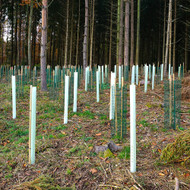
Why Tubex and Spiral Tree Guards Are Must-Haves for Young Trees
Young trees are at their most vulnerable in the first few years after planting. Damage caused by rabbits, deer, rodents, wind, frost, or garden equipment can quickly undo all the effort put into planting. Tubex and spiral tree guards are simple but highly effective solutions that protect saplings while encouraging healthy, upright growth.
Whether you’re planting trees in a garden, woodland, hedgerow, or forestry replanting area, using tree guards significantly increases survival rates and reduces the need for replacement planting. This article explains why Tubex and spiral guards are essential, how they work, and how to choose the right option for your planting project.
Tree guards act as a physical barrier around the trunk of a young tree. This barrier prevents animals such as rabbits and voles from stripping bark, protects against browsing deer, and shields the trunk from accidental damage caused by strimmers or lawn mowers. In exposed locations, guards also reduce wind stress and help protect against frost damage during winter.
Spiral tree guards are one of the most popular options for garden and landscaping use. Made from flexible plastic, spiral guards wrap around the trunk as the tree grows, expanding naturally over time. They are quick to install, lightweight, and ideal for protecting against rabbits and small mammals. Spiral guards also allow airflow and light penetration, reducing the risk of fungal disease while still providing effective protection.
Spiral tree guards are particularly suitable for smaller saplings, ornamental trees, fruit trees, and hedge plants. They are easy to remove or adjust as the tree matures and are often used alongside tree stakes and ties for added stability.
Tubex tree guards, also known as tree shelters, offer a higher level of protection and are commonly used in forestry, countryside planting schemes, and exposed rural environments. These rigid or semi-rigid tubes create a controlled microclimate around the sapling, increasing humidity and temperature inside the guard. This encourages faster early growth while protecting against rabbits, deer, wind, and herbicide spray drift.
Tubex guards are typically supported by stakes, which provide additional structural support and help prevent wind rock. They are available in a range of heights to suit different wildlife pressures, from low rabbit-prone areas to locations with heavy deer browsing.
One of the key benefits of Tubex guards is their durability. They are designed to remain in place for several growing seasons, allowing the tree to establish a strong root system before the guard is removed. This makes them ideal for larger planting projects where long-term protection is required.
Both spiral and Tubex tree guards help reduce maintenance costs. By protecting the trunk during the early years, guards prevent damage that can lead to disease, poor growth, or tree failure. This means fewer replacements, less ongoing intervention, and healthier trees overall.
Correct installation is essential for tree guards to work effectively. Guards should be fitted soon after planting, ensuring they are positioned straight and not pressing tightly against the trunk. For Tubex guards, stakes should be driven firmly into the ground beside the root ball, avoiding root damage. Spiral guards should start at ground level to prevent animals from accessing the trunk beneath the guard.
Tree guards work best when used alongside other tree planting accessories. Tree stakes and flexible ties help stabilise young trees, while mulch mats or weed control fabric reduce competition around the base. Together, these products create an ideal environment for early growth and establishment.
Tree guards should be inspected regularly, especially after storms or periods of rapid growth. As the tree matures, guards may need adjusting or removing to prevent restriction of the trunk. Removing guards at the right time ensures the tree continues to develop naturally without becoming dependent on support.
For gardeners, landscapers, and forestry professionals alike, Tubex and spiral tree guards are an essential part of any tree planting toolkit. They offer affordable, reliable protection and dramatically improve the success of planting projects in gardens, parks, estates, and woodland settings.
By choosing the right type of guard for your environment and installing it correctly, you give your young trees the best possible start — protecting your investment and supporting healthy, long-term growth.
Frequently Asked Questions
What is the difference between spiral and Tubex tree guards?
Spiral tree guards are flexible and ideal for garden use and smaller saplings, while Tubex guards are rigid shelters designed for long-term protection in exposed or wildlife-heavy environments.
Do tree guards affect tree growth?
When installed correctly, tree guards encourage healthy growth by protecting the trunk and reducing stress. Tubex guards can even promote faster early growth by creating a sheltered microclimate.
How long should tree guards be left on?
Most tree guards should remain in place for 2 to 5 years, depending on tree growth and environmental conditions. Guards should be removed once the trunk is strong enough to withstand damage.
Do I still need stakes if I use tree guards?
Yes. Tubex guards usually require stakes for support, and spiral guards are often used alongside stakes and ties to prevent wind rock.