


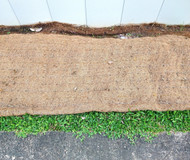
Using Coir Mats for Slope Stabilisation and Soil Erosion Prevention in the UK
Why Coir Erosion Control Is Essential in the UK
Soil erosion can be a significant challenge for gardens, slopes, embankments, and construction sites in the UK, particularly in areas prone to heavy rainfall, wind, or loose soil. Coir erosion control products are biodegradable, natural, and environmentally friendly solutions that:
-
Stabilise soil on slopes and embankments
-
Protect newly planted areas from washout
-
Promote plant establishment and root growth
-
Reduce maintenance costs by preventing soil loss
Coir mats and rolls are widely used by gardeners, landscapers, councils, estates, and contractors because they are easy to install, durable, and fully biodegradable.
Step 1: Planning Your Coir Erosion Project
-
Assess the area: Determine slope gradient, soil type, and potential erosion risk
-
Select the right coir product: Coir mats for smaller slopes, coir rolls for larger embankments or waterways
-
Measure accurately: Calculate coverage needed to prevent gaps and ensure full protection
-
Plan planting: Identify where grass, wildflowers, or shrubs will be planted through the coir
Tip: For steeper slopes, consider coir rolls pinned horizontally to maximise soil retention.
Step 2: Preparing the Site
-
Clear debris: Remove weeds, rocks, and loose soil
-
Level and shape: Flatten areas where possible to ensure the coir lays evenly
-
Mark planting areas: Outline positions for vegetation or grass seeding
-
Install erosion prevention staples: Wooden or metal stakes help secure mats and rolls in place
Step 3: Installing Coir Mats and Rolls
-
Lay mats or rolls along the slope in overlapping sections
-
Secure with stakes or pins at intervals recommended by the supplier
-
Trim excess material to fit irregular slopes or corners
-
Seed or plant through coir: Grass seed, wildflowers, or shrubs can be planted directly
-
Water thoroughly to help roots establish and bind soil
Pro Tip: Overlapping coir by 10–15cm prevents gaps and ensures maximum erosion control.
Step 4: Maintaining Coir Erosion Control
-
Monitor moisture: Water as needed during dry spells until plants establish
-
Check anchors: Ensure pins or stakes remain secure after storms or heavy rain
-
Inspect plant growth: Replace or supplement vegetation if gaps appear
-
Natural decomposition: Coir mats and rolls break down over 2–5 years, enriching the soil
Benefits for Different Users
Gardeners: Protect slopes, newly planted banks, or embankments
Landscapers & Contractors: Offer clients professional soil stabilisation solutions
Councils & Estates: Prevent erosion in parks, embankments, and public spaces
Environmental Projects: Ideal for riverbanks, restoration sites, and sustainable landscaping
Supplies Checklist
-
Coir mats or rolls (various thicknesses)
-
Stakes, pins, or anchors for securing
-
Grass or wildflower seeds for planting through coir
-
Hand tools for cutting and installation
-
Watering equipment
All available from GardenersSupplies.co.uk, perfect for UK gardeners, landscapers, contractors, and estates.
Frequently Asked Questions (FAQ)
How long do coir mats last?
Typically, coir mats and rolls biodegrade naturally over 2–5 years, while protecting soil and encouraging vegetation growth.
Can I plant directly through coir?
Yes, grass, wildflowers, shrubs, and other plants can be planted directly through coir mats or rolls.
Do coir mats require frequent maintenance?
Initial watering and periodic checks for displaced mats or rolls are sufficient; maintenance is minimal.
Are coir products environmentally friendly?
Yes, they are fully biodegradable and sustainable, improving soil structure over time.
Conclusion
Coir erosion control mats and rolls are an effective, sustainable, and easy-to-install solution for preventing soil erosion in the UK. Whether for gardens, slopes, embankments, or estate landscaping, gardeners, landscapers, and contractors can benefit from immediate soil stabilisation and enhanced plant establishment.
GardenersSupplies.co.uk supplies high-quality coir mats, rolls, and anchors, ensuring professional results and long-term soil protection.