


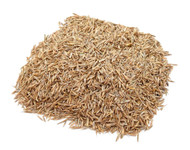
Overseeding and Lawn Repair: Best Practices for UK Lawns
Maintaining a healthy lawn requires more than just initial planting. Overseeding and lawn repair are essential for filling bare patches, thickening thin turf, and improving resilience to foot traffic, pests, and weather. In the UK, spring and autumn are the most effective times to carry out these tasks, when soil and climate conditions support rapid grass growth.
This guide provides step-by-step advice for gardeners, landscapers, councils, and estate managers, including grass seed selection, site preparation, sowing, and aftercare, with recommended products from GardenersSupplies.co.uk.
Why Overseeding Matters
-
Thickens existing turf: Reduces weeds and improves visual appeal
-
Improves disease resistance: Healthy lawns are less susceptible to moss, fungus, and pests
-
Enhances durability: Supports high-traffic areas, including sports fields, playgrounds, and estates
-
Extends lawn lifespan: Regular maintenance prevents thinning and bare patches
Proper overseeding ensures your lawn remains lush and resilient throughout the year.
Step 1: Assess Your Lawn
Before overseeding, evaluate your existing lawn:
-
Identify problem areas: Bare patches, thinning turf, moss growth
-
Check soil type and compaction: Clay, sandy, or loamy soils may need different preparation
-
Consider sunlight exposure: Adjust seed choice for shaded or sunny areas
-
Foot traffic: High-traffic lawns may require a hard-wearing grass mix
Tip: GardenersSupplies.co.uk provides soil testing kits to assess pH and nutrient levels, helping you choose the right seed.
Step 2: Clear and Prepare the Lawn
-
Remove debris: Clear leaves, stones, and dead grass
-
Scarify the lawn: Use a rake or mechanical scarifier to remove moss and thatch
-
Aerate the soil: Hollow-tine aeration improves water penetration and seed-to-soil contact
-
Level low areas: Fill depressions with a mix of topsoil and compost
Product Tip: Use GardenersSupplies.co.uk scarifiers, rakes, and aeration tools for effective lawn preparation.
Step 3: Choosing Grass Seed for Overseeding
-
Fine Lawn Mix: Soft, dense grass for ornamental gardens and low-traffic lawns
-
Hard-Wearing Mix: Ideal for football pitches, rugby fields, and heavy-use areas
-
Shade-Tolerant Mix: Perfect for areas under trees or buildings with limited sunlight
-
Estate Lawn Mix: Durable and visually appealing for large lawns, parks, and country houses
Tip: Blended mixes help reduce disease, improve colour, and provide year-round resilience.
Step 4: Sowing the Seed
-
Seed rate: Generally 20–40g/m² for overseeding, depending on grass mix
-
Application method: Broadcast by hand for small lawns; use a spreader for larger areas
-
Raking: Lightly rake seeds into the soil for good contact
-
Watering: Keep the soil moist until seeds germinate (7–21 days depending on species)
Pro Tip: Overseeding works best when temperatures are 12–20°C and soil is moist but not waterlogged.
Step 5: Fertilising and Aftercare
-
Starter fertiliser: Apply after seedlings emerge to promote strong root and shoot growth
-
Regular mowing: Begin when grass reaches 5–6cm; maintain 2.5–4cm for optimal health
-
Weed management: Spot-treat weeds with selective lawn weed killers once grass is established
-
Watering: Continue light watering during dry periods to encourage deep roots
Product Tip: GardenersSupplies.co.uk offers granular fertilisers, selective weed killers, and lawn tools for UK lawns.
Common Mistakes to Avoid
-
Overseeding without scarifying — seed cannot reach soil
-
Applying the wrong seed mix — thin or weak lawns result
-
Ignoring soil compaction — prevents roots from developing
-
Overwatering — leads to rot or fungal disease
-
Mowing too early — damages tender seedlings
Avoiding these mistakes ensures successful overseeding and a lush, durable lawn.
Supplies Checklist for Lawn Overseeding
-
High-quality grass seed mixes suitable for overseeding
-
Scarifiers, rakes, and aeration tools
-
Topsoil or compost for levelling and patch filling
-
Starter fertiliser for young seedlings
-
Selective lawn weed killers
-
Watering equipment (hose, sprinkler, watering can)
All products are available from GardenersSupplies.co.uk, tailored for UK lawns, sports fields, estates, and councils.
Frequently Asked Questions (FAQ)
Can I overseed in autumn as well as spring?
Yes, early autumn (September to October) is also ideal for UK lawns, allowing roots to establish before winter.
Do I need to remove moss before overseeding?
Yes, moss prevents seed from contacting soil and competes for nutrients. Scarify thoroughly before sowing.
Can I use fertiliser before overseeding?
No, wait until seedlings germinate to avoid burning young grass.
How often should I overseed my lawn?
Once a year is usually sufficient for general lawns; high-traffic areas may require twice-yearly overseeding.
Conclusion
Overseeding and lawn repair are essential practices for maintaining healthy, resilient lawns in the UK. By assessing your lawn, preparing the soil, choosing the right seed mix, sowing correctly, and following aftercare steps, gardeners, landscapers, councils, and estate managers can achieve thick, durable, and visually appealing turf.
GardenersSupplies.co.uk offers grass seeds, fertilisers, weed control products, and tools to make overseeding simple, effective, and successful for all types of UK lawns.