


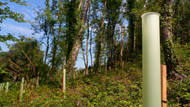
How to Stake Young Trees for Stability and Growth in the UK
Young trees are vulnerable to wind, frost heave, and mechanical damage. Proper staking ensures they remain upright, develop strong roots, and establish quickly.
This guide provides step-by-step advice and product recommendations from GardenersSupplies.co.uk for staking young trees in the UK.
Why Tree Staking Matters
-
Prevents wind rock: Roots establish more quickly in stable soil
-
Supports upright growth: Encourages straight trunks for timber and aesthetic purposes
-
Reduces replanting costs: Minimises tree failure due to tipping or leaning
-
Protects against mechanical damage: Reduces accidental damage from animals, equipment, or foot traffic
Proper staking is essential for healthy, resilient trees that survive their first winter.
Step 1: Selecting Stakes and Ties
-
Stakes: Choose strong, durable materials such as timber or treated wood
-
Ties: Use adjustable, flexible tree ties to prevent girdling
-
Quantity: Typically 1–2 stakes per tree for smaller species; 2–3 for taller or exposed trees
Tip: GardenersSupplies.co.uk stocks a range of stakes and tree ties suitable for UK conditions.
Step 2: Preparing the Site
-
Dig the planting hole and position the tree correctly
-
Loosen surrounding soil to allow root expansion
-
Clear debris and competing vegetation around the base
-
Ensure mulch or mats are in place for moisture retention and weed control
Proper site preparation ensures stability and reduces stress on the tree.
Step 3: Installing Stakes
-
Position stakes outside the root ball to avoid root damage
-
Drive stakes firmly into the ground, deep enough to resist wind
-
Space stakes evenly around the tree if using multiple supports
-
Avoid placing stakes directly against the trunk
Correct installation ensures trees remain upright without restricting growth.
Step 4: Attaching Tree Ties
-
Loop tie around trunk and stake without constricting the tree
-
Leave room for trunk growth and movement in the wind
-
Adjust tie tightness periodically as the tree grows
-
Remove or replace ties that are worn or restrictive
Proper tie use prevents girdling and supports healthy trunk development.
Step 5: Maintenance and Inspection
-
Inspect stakes and ties monthly, especially after storms
-
Refirm soil around the base if settling occurs
-
Adjust ties to accommodate growth and prevent rubbing
-
Remove stakes and ties once the tree is self-supporting (usually 1–3 years)
Regular maintenance ensures long-term stability and tree health.
Common Mistakes to Avoid
-
Using stakes that are too weak or short
-
Placing stakes too close to the trunk
-
Tying trees too tightly — can cause girdling and deformity
-
Neglecting inspection and adjustment
-
Leaving stakes in place too long, restricting natural movement
Avoiding these mistakes ensures young trees establish strong roots and upright growth.
Supplies Checklist for Tree Staking
-
Durable stakes (timber or treated wood)
-
Adjustable tree ties or straps
-
Mulch mats or organic mulch
-
Hand tools for staking and soil management
-
Protective gloves for safe installation
High-quality supplies from GardenersSupplies.co.uk make staking simple, safe, and effective across the UK.
Frequently Asked Questions (FAQ)
When should I stake a tree?
Immediately after planting, especially in exposed or windy locations.
How long should stakes remain in place?
Typically 1–3 years, depending on species, soil, and exposure.
Can I use the same stake for multiple trees?
No, each tree should have its own dedicated stake to avoid root interference and uneven support.
Conclusion
Staking young trees in the UK is essential for first-year survival, upright growth, and long-term health. By selecting suitable stakes and ties, installing correctly, and maintaining support throughout the early years, farmers, estates, and contractors can ensure their trees establish quickly and thrive for decades.
GardenersSupplies.co.uk provides stakes, ties, mulch, and planting tools to support UK tree planting projects efficiently and safely.