


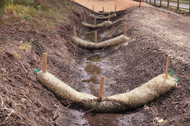
Coir Rolls for Large-Scale Soil Stabilisation and Riverbank Protection in the UK
Why Coir Rolls Are Ideal for Large-Scale Erosion Control
Large areas like riverbanks, embankments, and slopes require effective and sustainable soil stabilisation. Coir rolls offer:
-
Natural, biodegradable erosion protection
-
Immediate structural support for slopes and banks
-
Encouragement of vegetation establishment
-
Environmentally friendly solution that enhances soil structure over time
Coir rolls are perfect for landscapers, contractors, councils, and large estates looking to combine functionality and sustainability.
Step 1: Planning Your Coir Roll Installation
-
Survey the site: Measure slopes, bank lengths, and soil type
-
Select coir roll specifications: Choose thickness, diameter, and fibre density based on slope gradient and erosion risk
-
Determine planting strategy: Identify where grass, wildflowers, or shrubs will be planted through the rolls
-
Calculate quantity: Ensure full coverage with overlaps for maximum protection
Tip: Steeper slopes require larger diameter and denser rolls, pinned securely to prevent slippage.
Step 2: Preparing the Area
-
Clear the slope or embankment: Remove loose soil, debris, or weeds
-
Level the surface if possible: Smooth areas help rolls sit evenly
-
Install starter pins or anchors: Hold the first rolls in place
-
Plan overlap sections: Typically 10–15cm to prevent gaps in coverage
Step 3: Installing Coir Rolls
-
Lay the first row of rolls along the slope contour
-
Secure with stakes or pins at regular intervals
-
Overlap subsequent rows for continuous coverage
-
Plant vegetation through the rolls: Grass, wildflowers, or shrubs
-
Water thoroughly: Encourage roots to establish through coir fibre
Pro Tip: For riverbank protection, ensure coir rolls extend to the waterline and are anchored below expected high-water levels.
Step 4: Maintaining Coir Roll Installations
-
Watering: Critical in the first few weeks until plants establish
-
Check anchors: Ensure rolls are secure after storms or heavy rainfall
-
Inspect vegetation: Replant if patches fail
-
Natural decomposition: Coir rolls biodegrade over 3–5 years, enriching soil while preventing erosion
Benefits for Different Users
Contractors & Landscapers: Provide professional soil stabilisation solutions for clients
Councils & Estates: Protect public embankments, parks, and riversides
Environmental Projects: Encourage wildlife habitats and sustainable soil management
Gardeners: Use on larger private slopes or banks to prevent soil loss
Supplies Checklist
-
Coir rolls (various diameters and fibre densities)
-
Stakes, pins, or anchors for securing rolls
-
Grass, wildflower, or shrub plants for integration
-
Watering equipment for establishment
-
Hand tools for cutting and securing rolls
All available from GardenersSupplies.co.uk, ideal for UK contractors, landscapers, councils, and estate managers.
Frequently Asked Questions (FAQ)
How long do coir rolls last?
Coir rolls biodegrade naturally over 3–5 years, supporting vegetation growth while stabilising soil.
Can I plant directly through coir rolls?
Yes, grass, wildflowers, and shrubs can grow directly through the fibres, anchoring the soil.
Are coir rolls suitable for riverbanks?
Yes, they are excellent for bank stabilization, provided they are anchored and extended to high-water lines.
Do coir rolls require frequent maintenance?
Minimal maintenance is needed—mostly checking anchors and watering newly planted areas until established.
Conclusion
Coir rolls are a sustainable, practical, and professional solution for large-scale soil stabilisation and riverbank protection in the UK. Gardeners, landscapers, contractors, and councils can prevent erosion, establish vegetation, and enhance soil quality using these biodegradable, eco-friendly products.
GardenersSupplies.co.uk supplies high-quality coir rolls, anchors, and planting accessories, ensuring effective, long-term soil protection.