


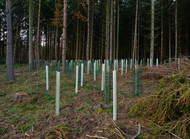
Choosing the Right Tree Guards and Protection for UK Planting Projects
Young trees in the UK face a range of challenges from browsing animals, harsh weather, and accidental damage during maintenance. Choosing the right tree protection is essential to improve survival rates, reduce replanting costs, and comply with grant-funded woodland creation schemes.
This guide explains the different types of tree guards, their applications, and the supplies you need to protect bare root or container-grown trees across farms, estates, and landscapes.
Why Tree Protection Matters
Without protection, young trees can suffer from:
-
Browsing: Rabbits, deer, and livestock can strip bark or eat saplings
-
Wind damage: Young trees are vulnerable to wind rock
-
Frost or sun scorch: Extreme weather can harm delicate shoots
-
Mechanical damage: Mowers, strimmers, or foot traffic
Tree guards and shelters provide a physical barrier, giving saplings the best chance to establish strong roots and survive until fully grown.
Types of Tree Guards
1. Spiral Guards
-
Lightweight and easy to install
-
Protect against rabbits and small animals
-
Suitable for rows of trees or hedgerows
2. Mesh Guards
-
Made from rigid or flexible mesh
-
Effective against deer and larger wildlife
-
Allow airflow and light to the tree
3. Solid Tree Shelters
-
Fully enclose the sapling for maximum protection
-
Ideal for exposed sites or high-risk areas
-
Can also create a mini-greenhouse effect, speeding growth
4. Combined Stakes and Ties
-
Prevent wind rock and leaning
-
Stakes should be around 2/3 of tree height
-
Adjustable or biodegradable ties prevent trunk damage
Tip: GardenersSupplies.co.uk offers a full range of spiral guards, mesh guards, solid shelters, stakes, and ties suitable for UK conditions.
Step-by-Step Guide to Installing Tree Protection
-
Position the Tree Guard
-
Place over the sapling, ensuring roots are well backfilled and firm
-
-
Install Stakes
-
Drive into soil beside the tree guard, not through roots
-
Use two stakes for taller or exposed trees
-
-
Attach Ties
-
Secure the tree without constricting trunk growth
-
Ensure ties allow movement to encourage strong root anchoring
-
-
Check Alignment
-
Make sure the tree is upright and stable inside the guard
-
Adjust if necessary for optimal light exposure
-
Mulching and Additional Protection
-
Apply mulch mats or biodegradable mulch around the base
-
Keep mulch slightly away from the trunk to avoid rot
-
Mulching conserves moisture and reduces weeds
Proper mulching combined with guards significantly improves survival, especially in the first winter after planting.
Common Mistakes to Avoid
-
Using too short or weak guards for the site
-
Skipping stakes, leading to wind-rocked trees
-
Ties too tight, causing bark damage
-
Failing to check for animal damage regularly
-
Installing guards too late, after browsing has begun
Supplies Checklist for Tree Protection
-
Spiral guards or mesh guards
-
Solid shelters for exposed locations
-
Stakes (wooden or metal)
-
Biodegradable or adjustable ties
-
Mulch mats or weed control fabrics
Tip: GardenersSupplies.co.uk provides bulk orders of guards and stakes, ideal for farms, estates, and contractors.
Frequently Asked Questions (FAQ)
How long should tree guards remain in place?
Typically 2–3 years, until trees are tall enough to withstand browsing.
Can I reuse tree guards?
Mesh and spiral guards can be reused if in good condition. Solid shelters may degrade over time.
Do I need tree guards for hedgerows?
Yes, especially for bare root or young saplings at risk of rabbit browsing or mechanical damage.
Conclusion
Tree guards, stakes, ties, and shelters are essential for UK tree planting projects, from small estates to large grant-funded woodland schemes. Using the right combination protects saplings from animals, weather, and accidental damage, increasing survival rates and reducing long-term maintenance costs.
Properly installed and maintained tree protection ensures your investment in trees pays off, supporting healthy woodland creation and sustainable landscapes.