


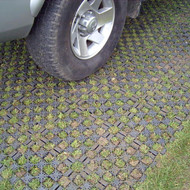
CellPave Grass Reinforcement for Driveways, Overflow Car Parks, and High-Traffic Areas
Why CellPave Reinforcement Is Ideal for High-Traffic Grass Areas
Areas like driveways, overflow car parks, and footpaths are prone to compaction, mud, and wear, which can damage lawns and spoil aesthetics. CellPave grass reinforcement provides:
-
A strong, permeable structure for grass growth
-
Protection against vehicle and pedestrian damage
-
Enhanced soil drainage and reduced mud formation
-
A natural, attractive appearance with fully growing turf
This makes it perfect for UK country estates, hotels, airports, landscaped high-traffic areas, and public spaces.
Step 1: Planning Your CellPave Installation
-
Measure your area: Calculate total square meters for driveways, paths, or car parks
-
Select CellPave specifications: Choose grid depth and load-bearing capacity based on expected traffic
-
Assess ground conditions: Ensure soil is level, firm, and well-draining
-
Plan layout: Determine entry/exit points, turning areas, and high-traffic zones
Tip: For areas with vehicle access, a load-bearing CellPave grid of at least 60mm depth is recommended.
Step 2: Preparing the Site
-
Clear the area: Remove debris, rocks, and loose soil
-
Level and compact the soil: Use a plate compactor for firm and even ground
-
Add a sub-base if needed: For heavy vehicle use, a layer of gravel or sand may be required
-
Mark edges and boundaries: Ensure grids are aligned for neat installation
Step 3: Installing CellPave Grids
-
Lay out the CellPave grids across the prepared surface
-
Connect interlocking sections for continuous coverage
-
Fill grids with topsoil or sand/soil mix
-
Sow grass seed or lay turf directly into the cells
-
Water thoroughly to help grass establish through the grid
Pro Tip: Overfill grids slightly and roll gently with a lawn roller to ensure grass establishes flush with the CellPave surface.
Step 4: Maintaining CellPave Areas
-
Watering: Keep grass moist during establishment
-
Mowing: Standard lawn mowing once grass grows through the grids
-
Weed control: Remove weeds that may grow in grid openings
-
Check alignment: Ensure grids remain level and stable after heavy use
Benefits for Different Users
Country Houses & Hotels: Maintain aesthetically pleasing driveways and parking areas
Airports: Reinforce landscaped areas and overflow parking without concrete or tarmac
Estates & Landscapers: Provide sustainable, eco-friendly grass surfaces for traffic zones
Event Spaces & Public Areas: Durable solution for temporary vehicle access while preserving grass
Supplies Checklist
-
CellPave grids (choose depth/load-bearing capacity)
-
Topsoil or soil mix
-
Grass seed or turf
-
Lawn roller for finishing
-
Watering equipment
All available from GardenersSupplies.co.uk, ideal for UK estates, hotels, airports, and landscaped high-traffic areas.
Frequently Asked Questions (FAQ)
How long does it take for grass to grow through CellPave?
Typically 4–8 weeks, depending on UK weather, soil, and grass variety.
Can CellPave withstand vehicles?
Yes, grids are designed for light to medium vehicle traffic. Load-bearing grids should be selected for cars and small trucks.
Is CellPave suitable for all lawn types?
Yes, most UK lawn grasses grow effectively through the grids.
How do I maintain reinforced areas?
Mow regularly, water during dry spells, and inspect grid alignment after heavy use.
Conclusion
CellPave grass reinforcement offers a durable, sustainable, and attractive solution for high-traffic lawns, driveways, and car parks in the UK. With proper installation and maintenance, grass stays healthy, green, and functional even under heavy use.
GardenersSupplies.co.uk supplies CellPave grids, topsoil, and grass seeds, making high-traffic lawn reinforcement simple, professional, and eco-friendly.