


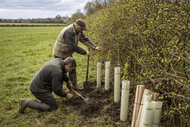
As Tree Planting Season Comes to a Close: What to Expect and How to Protect Your Young Trees
As we begin to notice the first signs of spring — slightly warmer days, brighter skies and longer evenings — the tree planting season is gradually drawing to a close. For those who have been busy planting dormant bare-root whips and trees over winter, this is a crucial transition period.
Understanding what happens next — and how to protect your investment — can make all the difference to successful establishment.
The End of Dormant Planting Season
Dormant bare-root whips and trees are typically planted from late autumn through to early spring, while they are not actively growing. As soil temperatures begin to rise and buds start to swell, the planting window narrows.
By early to mid-spring:
-
Trees begin breaking dormancy
-
Buds start to open
-
Root systems become active
-
Moisture demand increases
This is when your newly planted trees move from survival mode into growth mode.
If you’ve completed your planting, now is the time to shift focus from installation to protection and aftercare.
What to Expect as Temperatures Rise
As the season closes, you may notice:
1. Bud Burst and Early Leaf Growth
This is a positive sign that roots are establishing. However, tender new growth is highly attractive to pests.
2. Increased Wildlife Pressure
With natural food sources still limited in early spring, rabbits, hares and mice will continue browsing young stems and bark.
3. Grass and Weed Competition
As grass growth accelerates, it begins competing with young trees for moisture and nutrients.
4. Variable Weather
Early spring can still bring cold snaps, wind and heavy rain — all of which can stress newly planted trees.
Pest Protection Is Still Critical
Just because winter is ending doesn’t mean browsing pressure disappears. In fact, stem damage often increases in early spring.
Common risks include:
-
Rabbits stripping bark
-
Hares nibbling young shoots
-
Mice and voles damaging lower stems
Without protection, a single night of browsing can undo months of careful planting.
How Tree Guards and Planting Products Help
As the planting season winds down, protective products become even more important.
Tree Shelters and Guards
Tree guards create a physical barrier against rabbits and hares while also providing a sheltered microclimate that supports early growth.
Spiral Guards
Ideal for hedging whips and smaller saplings, spiral guards protect the lower stem against bark stripping and gnawing.
Vole and Lower Stem Protection
In grassy areas, lower stem guards are essential to prevent rodent damage.
Stakes and Ties
Spring winds can cause movement around the root ball. A properly secured stake prevents wind rock and helps roots establish firmly.
What If You’ve Missed the Bare-Root Window?
If you didn’t manage to plant dormant whips in time, cell-grown trees are still available later into the season.
Cell-grown stock offers:
-
Extended planting window
-
Reduced transplant shock
-
Stronger root plugs
-
Greater flexibility for spring planting
However, protection is still required. Warmer weather doesn’t reduce pest risk — in many cases, it increases it.
Final Checklist as the Season Closes
Before the dormant planting season ends, make sure:
-
All trees are firmly staked
-
Guards are properly fitted and secure
-
Grass around the base is controlled
-
Any failures are identified early
The work you do now sets the foundation for healthy growth through spring and summer.
Tree planting doesn’t end when the last whip goes in the ground — it transitions into protection and aftercare. With the right guards and support systems in place, your trees will move confidently into their first growing season.