


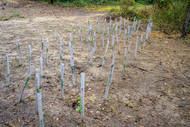
A Complete Guide to Planting Hedgerows and Field Boundaries in the UK
Hedgerows and field boundaries are a vital feature of UK farmland and estates, providing wildlife habitats, windbreaks, soil protection, and aesthetic appeal. Proper planning and planting ensure that hedgerows thrive and deliver ecological and economic benefits.
This guide offers step-by-step advice, including species selection, planting techniques, protection, and essential supplies from GardenersSupplies.co.uk.
Why Hedgerow Planting Matters
-
Wildlife corridors: Provide habitats for birds, insects, and mammals
-
Windbreaks: Protect crops, young trees, and soil from erosion
-
Pollution control: Filter dust and reduce spray drift
-
Grant eligibility: Many UK environmental and woodland schemes fund hedgerow creation
Well-planned hedgerows enhance both biodiversity and productivity.
Step 1: Choosing the Right Species
Hedgerow species should suit soil, climate, and purpose:
-
Native species for wildlife: Hawthorn, Hazel, Blackthorn, Field Maple, Holly
-
Evergreen screening: Laurel, Yew, Holly
-
Mixed hedgerows: Combining deciduous and evergreen species improves resilience and ecological value
Tip: GardenersSupplies.co.uk offers a full range of bare root and container hedgerow plants suitable for UK grant schemes.
Step 2: Plan Your Layout and Spacing
-
Spacing: Typically 30–50cm between plants for dense hedges
-
Row configuration: Single or double staggered rows depending on hedge width
-
Height and width: Consider long-term growth and maintenance access
-
Margins: Leave room for machinery and future inspections
Proper layout ensures healthy, thick hedgerows that last decades.
Step 3: Prepare the Soil
-
Clear grass, weeds, and debris along planting lines
-
Loosen soil to encourage root establishment
-
Incorporate compost or soil improvers if soil fertility is low
Well-prepared soil boosts survival rates and reduces competition from weeds.
Step 4: Planting Techniques
-
Dig planting holes: Wide enough for roots to spread naturally
-
Position plants: Root collar at soil level, upright and straight
-
Backfill and firm soil: Avoid compacting excessively
-
Mulch: Apply mats or organic mulch to suppress weeds and conserve moisture
Combined with stakes and guards, these steps give young hedgerow plants the best chance to thrive.
Step 5: Staking and Protection
-
Stakes: Support plants against wind or browsing
-
Tree guards / rabbit guards: Prevent bark damage and browsing
-
Ties: Biodegradable or adjustable to allow trunk growth
Tip: GardenersSupplies.co.uk supplies stakes, tree guards, and ties specifically for hedgerows and field boundaries.
Step 6: Aftercare
-
Inspect regularly for damage or leaning plants
-
Replace or adjust mulch and mats as needed
-
Prune lightly to encourage dense growth after the first season
-
Monitor soil moisture during dry spells, especially in spring and summer
Regular maintenance ensures hedgerows establish quickly and grow thick and healthy.
Common Mistakes to Avoid
-
Planting without soil preparation
-
Incorrect spacing, leading to sparse or overcrowded hedges
-
Skipping staking and protection
-
Neglecting mulching and weed control
-
Ignoring aftercare and seasonal maintenance
Avoiding these mistakes maximises hedgerow survival and long-term productivity.
Supplies Checklist for Hedgerow Planting
-
Bare root or container hedgerow plants
-
Stakes, tree guards, and ties
-
Mulch mats or organic mulch
-
Soil improvers or compost
-
Hand tools (spades, dibbers, etc.)
Using high-quality supplies from GardenersSupplies.co.uk ensures efficient, compliant, and long-lasting hedgerows.
Frequently Asked Questions (FAQ)
How tall will a hedgerow grow in the UK?
Depending on species, hedgerows can reach 2–6m in height over 10–15 years.
Can I plant hedgerows in winter?
Yes, bare root plants are ideal for UK winter planting (Nov–Mar).
Do I need to water hedgerows?
Water during dry spells in the first 1–2 years to ensure root establishment.
Conclusion
Hedgerows and field boundaries are a key component of UK landscapes, providing ecological, economic, and aesthetic benefits. By selecting appropriate species, preparing soil, planting correctly, and using stakes, guards, and mulch, farmers, estate owners, and contractors can create thriving, long-lasting hedgerows.
High-quality supplies from GardenersSupplies.co.uk make hedgerow planting efficient, compliant with grants, and low-maintenance.